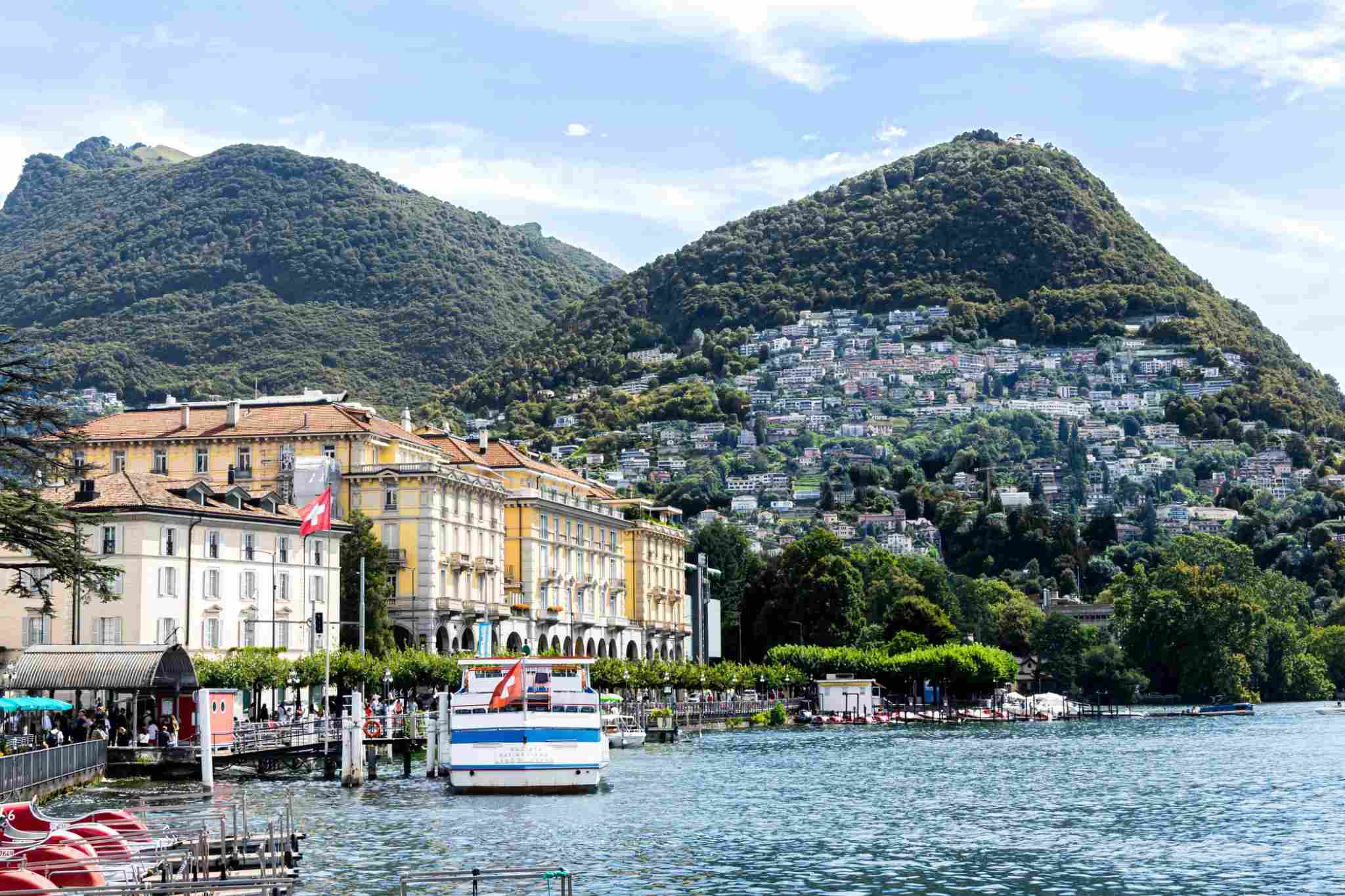
Italy is attractive. But hotel investment in Italy is complex.
Italy is one of the most desirable hospitality investment markets in Europe. It combines global tourism demand, iconic destinations, luxury repositioning potential, family-owned hotel assets, fragmented ownership structures and a constant flow of opportunities that are often not fully visible through public listings.
Rome, Milan, Venice, Florence, Naples, Lake Como, Sardinia, Sicily, the Amalfi Coast and the main art cities continue to attract international investors, hotel groups, private equity funds, family offices and real estate players looking for scarce hospitality assets.
But investing in Italian hotels requires discipline.
A hotel in Italy is rarely just a property. It is a living operating business connected to a real estate asset. Its value depends on location, management quality, lease structure, labour cost, capex, tax profile, brand potential, debt exposure, ownership dynamics, market positioning and exit strategy.
This is why hotel investment in Italy must be analysed with a hotel-specific approach, not with a generic real estate model.
At InvestimentiAlberghieri.it, we analyse the Italian hospitality investment market through hotel transactions, ownership structures, investment cases, distressed assets, luxury repositioning, operating risk and value creation strategies.
For broader hospitality advisory, governance and operational analysis, investors can also consult RobertoNecci.it and the dedicated Roberto Necci hotel guides.
For hotel acquisition, sale, lease and management opportunities, Investhotel.it provides an operational perspective on hotel transactions, hotel management contracts, business valuation and hospitality development.
For confidential advisory, valuation, due diligence, asset management or hotel repositioning mandates, investors and ownership groups can contact HotelManagementGroup.it.
Why Italy, why now
Italy is attractive because many of its hotel assets are located in markets where supply is limited, demand is global and repositioning potential remains significant.
At the same time, the Italian hotel market is still highly fragmented. Many properties are family-owned, under-managed, under-branded or affected by generational transition, deferred capex, weak reporting, outdated contracts or unsustainable operating structures.
This creates opportunities for professional capital.
The most interesting hotel investment opportunities in Italy often emerge where there is a gap between the current performance of the asset and its potential value under a stronger capital structure, better management, clearer positioning and more disciplined control.
The opportunity is not simply to buy hotels in Italy.
The opportunity is to identify hotels where professional capital, operational intelligence and strategic repositioning can unlock value.
Italy is not one hotel market
One of the most common mistakes made by international investors is treating Italy as a single hotel market.
It is not.
Rome is not Milan. Venice is not Florence. Lake Como is not Sardinia. Naples is not Cortina. A coastal resort has a different risk profile from a city hotel. A branded luxury asset has a different valuation logic from a family-owned independent hotel. A distressed property in a prime location has a completely different investment thesis from a stabilized leased hotel.
Before investing, the Italian hotel market should be segmented into clear investment categories:
-
luxury city hotels;
-
lifestyle and boutique hotels;
-
leisure resorts;
-
family-owned independent hotels;
-
underperforming assets;
-
distressed or bank-exposed hotels;
-
hotel conversion opportunities;
-
leased hotels with operator risk;
-
assets suitable for franchise or management agreement;
-
trophy assets with long-term scarcity value.
Each category requires a different valuation method, operating review, capex analysis, debt strategy and exit scenario.
A hotel bought at a low price per key can still be expensive if it has poor margins, heavy capex, weak management, unresolved labour issues or an unsustainable lease.
A hotel that appears expensive can be attractive if it has pricing power, brand potential, operational upside, scarcity value and a clear repositioning strategy.
Hotel valuation in Italy: EBITDA is not enough
Hotel valuation in Italy cannot be reduced to a simple EBITDA multiple.
A serious valuation must combine real estate value, operating value, contractual value and investment risk.
A proper hotel valuation should assess:
-
location and market positioning;
-
revenue quality;
-
GOP and EBITDA sustainability;
-
lease structure;
-
capex backlog;
-
labour cost;
-
room mix;
-
distribution cost;
-
brand or franchise potential;
-
management quality;
-
debt exposure;
-
tax impact;
-
zoning and planning constraints;
-
operating risk;
-
exit liquidity.
A hotel with strong revenue can still destroy value if payroll, OTA commissions, rent, maintenance or capex are out of control.
A hotel with weak current profitability can create value if the problem is management, positioning, distribution, branding or lack of professional control.
This is why hotel valuation in Italy should never be treated as a purely financial exercise. It must include operating due diligence.
The main risks in Italian hotel investments
1. Buying the building and underestimating the business
Many investors focus on the asset and underestimate the operating company.
This is dangerous.
A hotel can have a strong location and still generate weak returns because of poor pricing, excessive payroll, outdated contracts, weak management, insufficient reporting or lack of revenue strategy.
In hospitality, the real estate value and the operating value are deeply connected.
2. Accepting historical numbers without verification
Historical accounts are not enough.
Investors need to understand whether revenues are repeatable, whether costs are normalized, whether labour expenses are sustainable, whether maintenance has been postponed and whether current margins reflect the true potential of the asset.
A hotel’s past performance may hide both risk and opportunity.
3. Misreading lease agreements
Hotel leases in Italy can create or destroy value.
An apparently attractive rent for the owner may be unsustainable for the operator. A stable lease may hide counterparty risk. A high rent may inflate the owner’s expectations but reduce long-term asset liquidity.
Lease sustainability should always be tested against realistic GOP, capex, debt service and market volatility.
4. Underestimating capex
Many Italian hotels require investment in rooms, common areas, systems, energy efficiency, fire safety, technology, branding, F&B, wellness, repositioning or compliance.
Capex is often the difference between a successful acquisition and a failed investment.
The right question is not only “what is the purchase price?”
The right question is “what is the total capital required to make this hotel competitive?”
5. Overestimating brand value
An international brand can improve visibility, distribution, positioning and investor appeal.
But branding has costs, standards, fees, renovation requirements and operating implications.
A brand should not be chosen for prestige alone. It must be tested against market demand, owner objectives, capex capacity, operator capability and return on invested capital.
Deal opportunities in Italy
Italy offers several categories of hotel investment opportunities.
The most attractive opportunities are often found in assets where the current ownership structure, operating model or capital base is not strong enough to unlock the full potential of the property.
Relevant opportunities include:
-
family-owned hotels without succession planning;
-
underperforming assets in strong locations;
-
hotels with operational inefficiencies;
-
properties requiring repositioning;
-
bank-exposed or financially stressed hotels;
-
lease restructuring opportunities;
-
sale and leaseback transactions;
-
off-market hotel sales;
-
conversion of non-hotel buildings into hospitality use;
-
luxury repositioning of historic assets;
-
independent hotels suitable for branding;
-
assets requiring professional management.
This is where local operating intelligence matters.
International investors often need more than a broker. They need a hotel-specific view of the business, the asset, the management structure, the capex requirement, the contracts and the real value creation potential.
Market intelligence from InvestimentiAlberghieri.it, operational insights from Investhotel.it and strategic support from HotelManagementGroup.it can help investors read Italian hotel opportunities with greater discipline.
Distressed hotel assets in Italy: opportunity or trap?
Distressed hotel assets can be attractive, but only when the cause of distress is correctly identified.
A hotel may be distressed because of debt, poor management, ownership conflict, obsolete positioning, excessive labour cost, wrong lease terms, underinvestment, weak revenue management, lack of reporting or failed governance.
Some distressed hotels are opportunities.
Others are traps.
The difference depends on whether the problem is reversible.
A hotel with excessive debt but good location, real demand, operational upside and repositioning potential can become a strong investment opportunity.
A hotel with structural market weakness, unresolved legal issues, heavy capex, poor location and no pricing power may remain a value trap even at a discounted price.
A distressed hotel investment should therefore assess:
-
bank exposure;
-
UTP or NPL risk;
-
cash flow sustainability;
-
lease or management contract structure;
-
owner/operator relationship;
-
payroll and outsourcing model;
-
capex requirement;
-
repositioning potential;
-
possible refinancing;
-
exit strategy.
Distressed hospitality is not just a financial problem. It is often an operating problem with financial consequences.
This is why a purely financial due diligence is not enough.
Hotel operating due diligence: the missing layer
Traditional due diligence usually focuses on legal, tax, accounting, technical and financial matters.
In hotel investments, this is necessary but not sufficient.
Operating due diligence is the missing layer.
It should answer practical questions:
-
Is the current revenue strategy correct?
-
Is the hotel underpriced or overpriced for its market?
-
Is the room mix optimized?
-
Are OTA commissions excessive?
-
Is direct booking underdeveloped?
-
Is labour cost aligned with category and positioning?
-
Is housekeeping efficient?
-
Are F&B results sustainable?
-
Is the management team adequate?
-
Is the hotel underperforming compared with competitors?
-
Can GOP improve after acquisition?
-
Is the rent sustainable?
-
Can a brand increase value?
-
Is capex realistic?
-
Is the asset suitable for institutional investors?
Without these answers, an investor is not buying visibility.
He is buying uncertainty.
What international investors should look for
International investors evaluating hotel opportunities in Italy should focus on five factors.
1. Location with pricing power
Not every attractive location is famous, and not every famous location is attractive.
The best markets are those where a hotel can improve ADR, attract higher-quality demand, reduce seasonality, strengthen distribution or move toward more profitable segments.
2. Operational upside
The best investments are often not the cheapest hotels. They are the hotels where professional management can improve revenue, margins, positioning and investor appeal.
3. Clear capex strategy
Capex must be part of the investment thesis from day one.
Delayed or underestimated capex can destroy the return profile of the transaction.
4. Contractual control
Lease agreements, management contracts, franchise agreements, outsourcing contracts and employment structures must be reviewed before closing.
Contracts can protect value or silently destroy it.
5. Exit logic
Every hotel investment should have a clear exit scenario.
Possible exits include sale to a fund, long-term ownership, refinancing, brand repositioning, sale and leaseback, portfolio aggregation or sale to an operator.
A hotel should not be acquired only because it is attractive today. It should be acquired because there is a credible path to value creation and exit liquidity.
The right investment approach
A disciplined hotel investment strategy in Italy should follow a structured process:
-
market analysis;
-
asset screening;
-
preliminary valuation;
-
operating review;
-
lease and contract analysis;
-
capex estimate;
-
debt and tax review;
-
brand or operator assessment;
-
repositioning strategy;
-
exit planning.
This approach reduces the risk of overpaying, underestimating capex, accepting unsustainable contracts or misreading the real earning capacity of the hotel.
For investors, hotel owners and family offices evaluating acquisitions, disposals, distressed assets or repositioning strategies, HotelManagementGroup.it can support hotel valuation, operating due diligence, asset management, management analysis and investment strategy.
For hotel sale, lease, acquisition and operational opportunities, Investhotel.it offers a transaction-oriented perspective.
For market intelligence, investment cases and hospitality capital analysis, InvestimentiAlberghieri.it remains the specialist platform dedicated to hotel investments.
Conclusion: Italy rewards disciplined capital
Italy offers some of the most attractive hotel investment opportunities in Europe.
The country has global tourism demand, irreplaceable locations, historic assets, family-owned hotels, under-managed properties, luxury repositioning potential and growing international investor interest.
But Italy also rewards discipline.
The best investors will not be those who simply buy hotels.
They will be those who understand the difference between real estate value, operating value, contract value, brand value and exit value.
A hotel can create extraordinary value when location, capital, management, contracts, capex and positioning are aligned.
It can destroy value when the investor buys the building and ignores the business.
The real question is not only:
“How much does the hotel cost?”
The real question is:
“What can this hotel become, and what capital, management and structure are required to get there?”
For a confidential analysis of hotel investments, hotel valuation, distressed assets, acquisition opportunities or management structures in Italy, contact HotelManagementGroup.it or write directly to info@investimentialberghieri.it.
Roberto Necci - r.necci@robertonecci.it