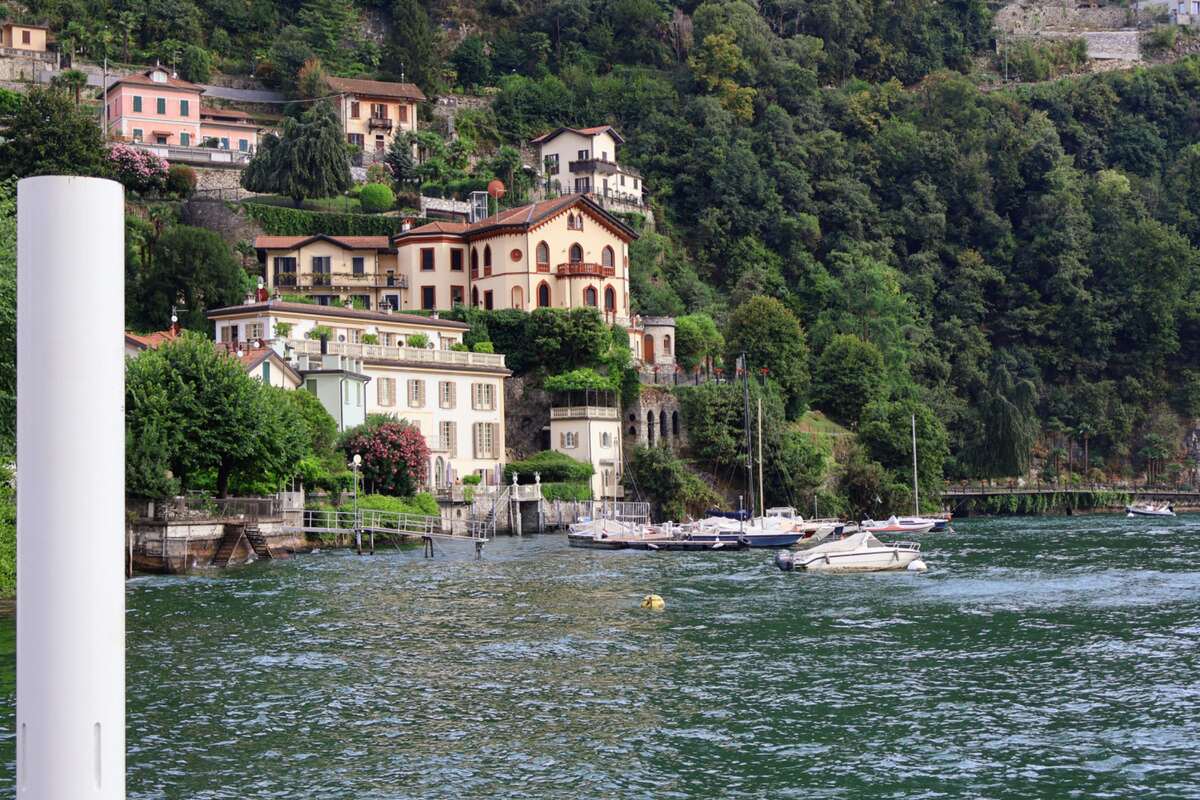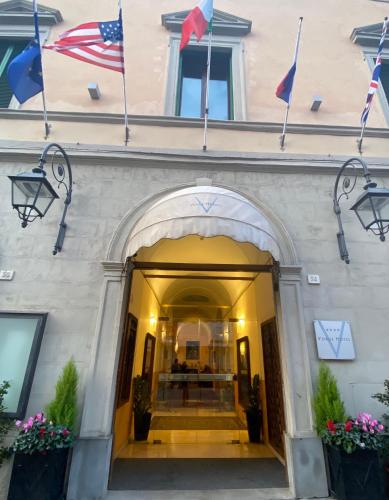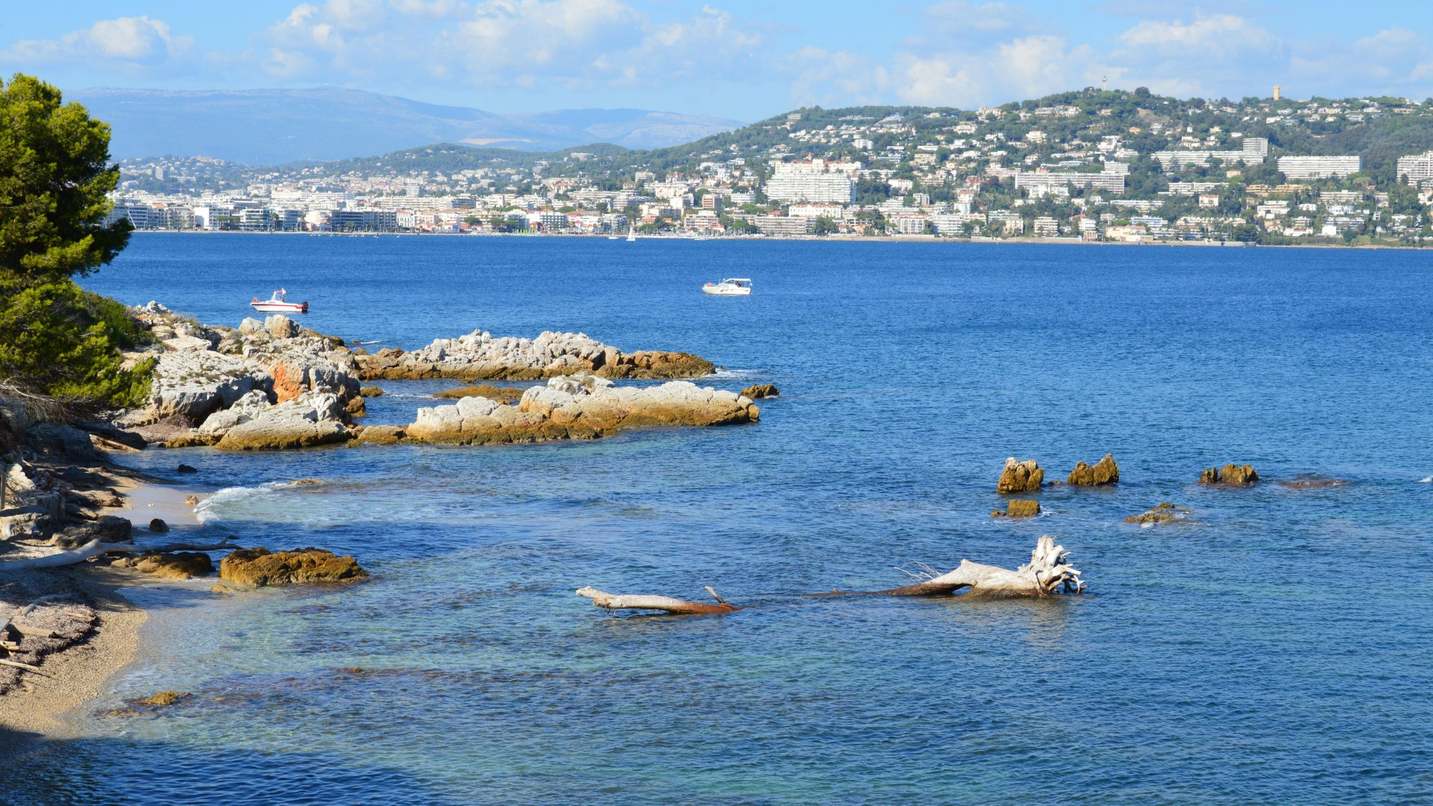
The sale of the 1932 Hotel & Spa Cap d’Antibes – MGallery Collection by Extendam and its operating partner Ker Hospitality to a family office is not simply a hotel transaction on the French Riviera.
It is a clear example of value creation and value crystallisation.
The property is a 64-room, four-star hotel located in Juan-les-Pins, in the heart of Cap d’Antibes, one of the most recognisable and prestigious micro-locations in the French leisure market. The hotel is around 25 minutes from Nice Côte d’Azur Airport and around 30 minutes from Cannes-Mandelieu Airport. It includes two restaurants, a bar, a spa and two meeting rooms.
The most relevant aspect, however, is not only the disposal itself. It is the path that led to it.
Extendam and Ker Hospitality acquired the asset in 2021 through a dedicated hotel investment vehicle. After the acquisition, the property underwent a major renovation and repositioning programme, completed in 2022, which enabled it to move from three-star to four-star status and join Accor’s MGallery Collection.
That sequence is the core of the transaction: acquisition, capex, repositioning, category upgrade, affiliation with an international lifestyle brand and subsequent sale to long-term private capital.
This is not a conventional real estate disposal. It is a textbook example of hotel value creation.
For further analysis of hotel funds, transactions, value creation and hospitality investment strategies, visit the Investimenti Alberghieri blog.
Value is created before the sale
In hotel investment, many transactions are described by focusing on the buyer or the price. But the most interesting part of a deal often happens earlier, during the period in which the asset is transformed.
The 1932 Hotel & Spa Cap d’Antibes is a strong example of this.
Value was not created at the moment the family office acquired the hotel. It had already been created through a coherent repositioning strategy.
Extendam and Ker Hospitality worked across several levers at the same time:
-
physical renovation of the property;
-
upgrade from three to four stars;
-
enhancement of the hotel’s Art Deco identity;
-
entry into the MGallery Collection;
-
stronger leisure and lifestyle positioning;
-
improved readability of the asset for long-term investors.
This is the difference between passive ownership and hotel asset management.
Passive ownership waits for the market to reprice the property. Asset management intervenes on the product, brand, perception, revenue streams and overall quality of the asset, making it more liquid and more attractive to capital.
The decisive question is not only:
what is this hotel worth today?
The more important question is:
what value can be created if the hotel is properly redesigned, renovated and repositioned?
In the case of the 1932 Hotel & Spa Cap d’Antibes, the final sale represents the crystallisation of an industrial value-creation process.
Cap d’Antibes and the value of iconic micro-locations
Cap d’Antibes is one of the strongest locations on the French Riviera. It is a market defined by scarcity of product, international demand, strong recognition, proximity to Nice and Cannes and high appeal for private capital, family offices and long-term wealth investors.
In a market like this, micro-location has a decisive impact.
It is not enough to say “French Riviera”. Investors need to understand exactly where the asset is located, what story it tells, which demand it can capture, what pricing power it can sustain and how liquid it may be on exit.
A hotel in an iconic micro-location has more strategic options. It can be operated as a lifestyle boutique hotel, enhanced through an international brand, positioned towards premium leisure demand, integrated with restaurants, spa and local experiences, or sold to patient capital seeking rare assets.
Scarcity is a key component of value.
A replicable hotel asset competes mainly on price. A rare, well-located and well-repositioned asset can also compete on desirability.
In luxury and upper-upscale hospitality, location is not just geography. It is identity, narrative, pricing power and long-term value protection.
From three stars to four stars: category upgrade as an economic lever
Moving from three to four stars is not merely an administrative change. In hotels, a category upgrade can significantly alter market perception.
A four-star hotel communicates higher standards, more complete services, stronger product quality and a different level of guest expectation.
But an upgrade creates value only when it is supported by real transformation.
In the case of the 1932 Hotel & Spa Cap d’Antibes, the repositioning was not limited to a change in classification. It was supported by a meaningful renovation, the enhancement of the Art Deco identity, integration into the MGallery Collection and the creation of a product aligned with upper-upscale French and international leisure and business demand.
This is the central point: category does not create value by itself. It creates value when it reflects a genuine improvement in the guest experience.
A hotel can claim to be premium, but if rooms, services, common areas, food and beverage, design and operations do not support that promise, the market will not recognise rate.
By contrast, when the product is genuinely upgraded, the repositioning can affect:
-
ADR;
-
RevPAR;
-
online reputation;
-
demand mix;
-
ability to attract international guests;
-
future sale potential;
-
investor perception of the asset.
The value of the upgrade is not in the additional star. It is in the hotel’s increased ability to generate sustainable income.
MGallery: the brand as a multiplier, not a substitute for value
Entry into Accor’s MGallery Collection is one of the most important elements of the transaction.
MGallery is not a standardised brand in the traditional sense. It is a collection of boutique and lifestyle hotels with strong local identity, aimed at distinctive properties, often historic, iconic or linked to highly desirable destinations.
For a hotel such as the 1932 Hotel & Spa Cap d’Antibes, the brand can perform three essential functions.
The first is commercial: it increases international visibility, strengthens distribution and places the hotel within a global ecosystem.
The second is reputational: it helps position the asset within a recognisable upscale lifestyle category.
The third is financial: it makes the hotel easier for investors to understand as a managed, positioned asset connected to a strong distribution network.
The brand, however, does not replace value. It can multiply it.
If the property is weak, the location unattractive or the management ineffective, the brand alone is not enough. But when there is a rare location, architectural identity, a renovated product and coherent operations, the brand can accelerate the transformation and strengthen asset liquidity.
In the case of the 1932 Hotel & Spa Cap d’Antibes, MGallery becomes part of the value strategy: not simply a flag, but a repositioning tool and a marker of international readability.
Capex: capital that must change the income statement
The renovation completed in 2022 is a central value lever in the transaction.
In hotel investment, capex is often treated as a cost. In reality, when planned correctly, it is capital deployed to change the economic profile of the asset.
Effective capex does not merely make a hotel look better. It should improve its ability to generate revenue, margin and value.
In a property such as the 1932 Hotel & Spa Cap d’Antibes, capex can affect several dimensions:
-
room quality;
-
design and identity;
-
common areas;
-
food and beverage;
-
spa and wellness;
-
operational efficiency;
-
rate positioning;
-
reputation;
-
appeal to international guests;
-
resale value.
The real question is not:
how much was spent on renovation?
The right question is:
which part of that capital increased the hotel’s ability to generate income and attract investors?
Hotel capex creates value only when it is linked to an industrial plan. Without a clear connection to positioning, management, rate and demand, it risks becoming a purely aesthetic investment. When integrated into a coherent strategy, it becomes a return lever.
Why a family office buys this type of hotel
The buyer in the transaction is reported to be a family office. That detail matters.
A family office does not necessarily think like a private equity fund. It may have a longer investment horizon, greater focus on the patrimonial quality of the asset, a different sensitivity to capital preservation and a specific interest in rare, iconic and difficult-to-replicate properties.
A hotel such as the 1932 Hotel & Spa Cap d’Antibes can appeal to a family office for several reasons:
-
manageable scale;
-
premium location;
-
history and architectural identity;
-
renovated product;
-
four-star lifestyle positioning;
-
affiliation with an international brand;
-
exposure to the French Riviera;
-
income potential and wealth preservation.
This type of asset can be read not only as an operating investment, but also as a qualified patrimonial holding.
The distinction is important.
A fund often seeks to create value, stabilise the asset and sell within a defined timeframe. A family office may be more willing to hold the asset for longer, protecting capital, income and patrimonial prestige.
The sale to a family office therefore confirms that the repositioning process made the hotel attractive not only to operational buyers, but also to long-term private capital.
Extendam and Ker Hospitality: the logic of active asset management
The transaction highlights the respective roles of Extendam and Ker Hospitality as investor and operating partner.
Extendam acquired the asset through a dedicated investment vehicle, while Ker Hospitality supported the operational and transformation process. The combination of capital and hotel operating expertise is one of the keys to modern hotel investment.
A financial investor can identify the potential. An operating partner must turn that potential into performance.
This relationship is essential because a hotel is not a static property. It is an operating business inside a real estate asset.
Value depends on the ability to connect:
-
capital;
-
operations;
-
capex;
-
brand;
-
distribution;
-
guest experience;
-
operating margin;
-
exit strategy.
If these elements do not work together, the deal loses strength. If they are coordinated, the asset can change category, market position and risk-return profile.
In the case of the 1932 Hotel & Spa Cap d’Antibes, the final sale shows exactly this: the investor enters, transforms the asset, stabilises the hotel’s new identity and sells to a patrimonial buyer interested in an already repositioned property.
This is the grammar of hotel asset management.
Why this transaction also matters for the Italian market
The Cap d’Antibes case offers a highly relevant lesson for Italy.
Italy has a large stock of historic hotels, boutique properties, independent hotels, iconic buildings and hospitality assets in highly desirable destinations. Many of these assets have potential, but they are not always presented or managed as investable products.
Very often, strong elements are already there:
-
location;
-
history;
-
architecture;
-
local reputation;
-
loyal customers;
-
recognisable tourism destination.
What is often missing are the elements that turn potential into value for capital:
-
capex plan;
-
clear positioning;
-
brand strategy;
-
management model;
-
margin control;
-
normalised data;
-
business plan;
-
exit strategy;
-
professional investor documentation.
An Italian hotel may have substantial latent value. But if it is not repositioned, documented and presented properly, it risks being valued only as a property requiring renovation.
The 1932 Hotel & Spa Cap d’Antibes demonstrates the opposite: when a historic asset is redesigned, renovated and placed within a coherent commercial platform, it becomes far more attractive to capital.
The hotel guides published on RobertoNecci.it explore these themes in depth: hotel valuations, investments, management agreements, business leases, franchising, governance, management control, asset management and value creation strategies.
Historic hotels and boutique properties: the value of identity
One of the most interesting aspects of the transaction is the hotel’s identity.
The 1932 Hotel & Spa Cap d’Antibes was not repositioned by erasing its history, but by enhancing it. The Art Deco façade, the reference to the year of construction, the atmosphere of the French Riviera and the affiliation with a lifestyle brand were combined to create a coherent product.
This point is particularly relevant for Italy.
Many historic Italian hotels make one mistake: they treat history as a decorative feature rather than a strategic lever.
History alone is not enough. But when it becomes identity, experience, design, communication, food and beverage, storytelling and pricing power, it can become part of the value.
A boutique hotel is not valuable simply because it is small or independent. It is valuable when it has a recognisable personality, a clear demand base, a sustainable economic model and a narrative consistent with the product.
Identity becomes value when guests are willing to pay for it and investors are able to measure it.
Price, capex and exit: the value creation formula
Every hotel repositioning transaction should be read through a simple relationship:
entry price + capex + stabilisation time = potential exit value.
This is not a mathematical formula in the strict sense, but it describes the investment logic.
An asset may be acquired at an attractive price but require excessive capex. It may have an exceptional location but long permitting timelines. It may have a strong brand but high operating costs. It may be well renovated but fail to achieve the expected rate.
That is why hotel due diligence must assess several dimensions at the same time:
-
physical condition of the property;
-
required capex;
-
planning and permitting constraints;
-
competitive positioning;
-
current and future demand;
-
contractual structure;
-
operations;
-
brand;
-
prospective profit and loss;
-
exit scenario.
The sale of the 1932 Hotel & Spa Cap d’Antibes shows that a successful exit begins with a disciplined entry and a coherent transformation plan.
Value is not improvised at the moment of sale. It is built throughout the investment cycle.
For further insight into the perspective of investors, funds and specialist operators, the InvestHotel blog covers hotel investments, funds, distressed credit, acquisitions, disposals, due diligence and value-enhancement transactions.
Five lessons from the sale of the 1932 Hotel & Spa Cap d’Antibes
The Extendam-Ker Hospitality transaction offers five useful lessons for hotel owners, investors and operators.
First: the value of a historic hotel does not depend only on its history, but on the ability to turn that history into product, experience and income.
Second: capex creates value only when it is connected to a clear repositioning strategy.
Third: affiliation with an international lifestyle brand can increase both the commercial and financial readability of the asset.
Fourth: the sale to a family office confirms the interest of long-term private capital in rare, renovated and well-positioned hotels.
Fifth: hotel value is crystallised when location, property, operations, brand, capex and demand all work in the same direction.
These lessons fully apply to the Italian market as well.
Many Italian hotels do not simply need to be put up for sale. They need to be prepared for the market. They must be analysed, repositioned, documented, enhanced and presented through a logic that qualified investors can understand.
An unprepared asset is perceived as riskier. And risk, in capital markets, almost always translates into a discount on value.
Conclusion: a hotel is worth more when its potential has been demonstrated
The sale of the 1932 Hotel & Spa Cap d’Antibes shows that hotel value is not created only by location or by the beauty of the property. It is created by the quality of the project.
A historic hotel in an iconic destination can have significant potential. But that potential must be turned into product, performance and financial credibility.
The real leap does not occur when the asset changes owner. It occurs when its economic profile changes.
For this reason, anyone who owns a hotel and is considering a sale, value-enhancement process, refinancing or approach to qualified investors should ask one decisive question:
is my hotel a real estate asset to be described, or an investment project to be demonstrated?
The difference between these two answers can affect the price, the timing of the transaction, the number of interested investors and the quality of the offers received.
Hotel Management Group supports owners, investors, funds, family offices and operators in the analysis, due diligence, value creation, development and structuring of hotel investment transactions.
If you are considering the sale of a hotel, the acquisition of an asset, the restructuring of a property or the development of a hotel investment project, you can explore the group’s advisory, governance and development activities at HotelManagementGroup.it.
A hotel creates value when it stops being described merely as an accommodation business and starts being designed, managed and financed as a strategic asset.
Roberto Necci - r.necci@robertonecci.it