The sale of Novotel London Greenwich by Ares Management and EQ Group is not just a transaction involving a single London hotel. It shows how institutional capital now approaches hospitality: not as passive real estate to hold indefinitely, but as a dynamic asset to be acquired, analysed, managed, enhanced and, when appropriate, sold.
The property is a 151-room, four-star hotel in Greenwich, next to Greenwich Station and across the River Thames from Canary Wharf. It includes a restaurant, a bar and six meeting rooms, giving it a mixed demand profile across leisure, business travel, corporate demand and small events.
The sale itself is only part of the story. The real signal lies in the context.
Ares and EQ acquired the hotel in 2024 as part of a 21-property hotel portfolio purchased from Landsec for £400 million. On a simple average basis, that implies an indicative value of around £19 million per asset. But this is only arithmetic. The actual value of each hotel depends on room count, location, brand, contractual structure, operating performance, required capex and exit liquidity.
That is the central point: in professional hotel investment, value is never captured by a single number.
For further analysis of hotel funds, transactions, value creation and hospitality investment strategies, visit the Investimenti Alberghieri blog.
A sale as strategy, not just an exit
When an institutional investor acquires a hotel portfolio, it rarely sees it as one homogeneous block. It breaks it down asset by asset.
Some hotels are retained because they fit the long-term strategy. Others are repositioned. Others may be refurbished, refinanced or sold. The sale of a single hotel, therefore, should not automatically be read as a withdrawal. It may be part of a broader capital recycling strategy.
Capital is released from one asset and redeployed into other properties, higher-return capex, new acquisitions or opportunities with a more attractive risk-return profile.
This is the difference between traditional hotel ownership and professional capital management. The traditional owner often thinks in terms of possession. The professional investor thinks in terms of allocation.
The question is not only: “How much is this hotel worth?”
The real question is: is this hotel still the best use of the capital invested in it?
The answer may lead to holding the asset, transforming it or selling it.
Greenwich, Canary Wharf and the value of micro-location
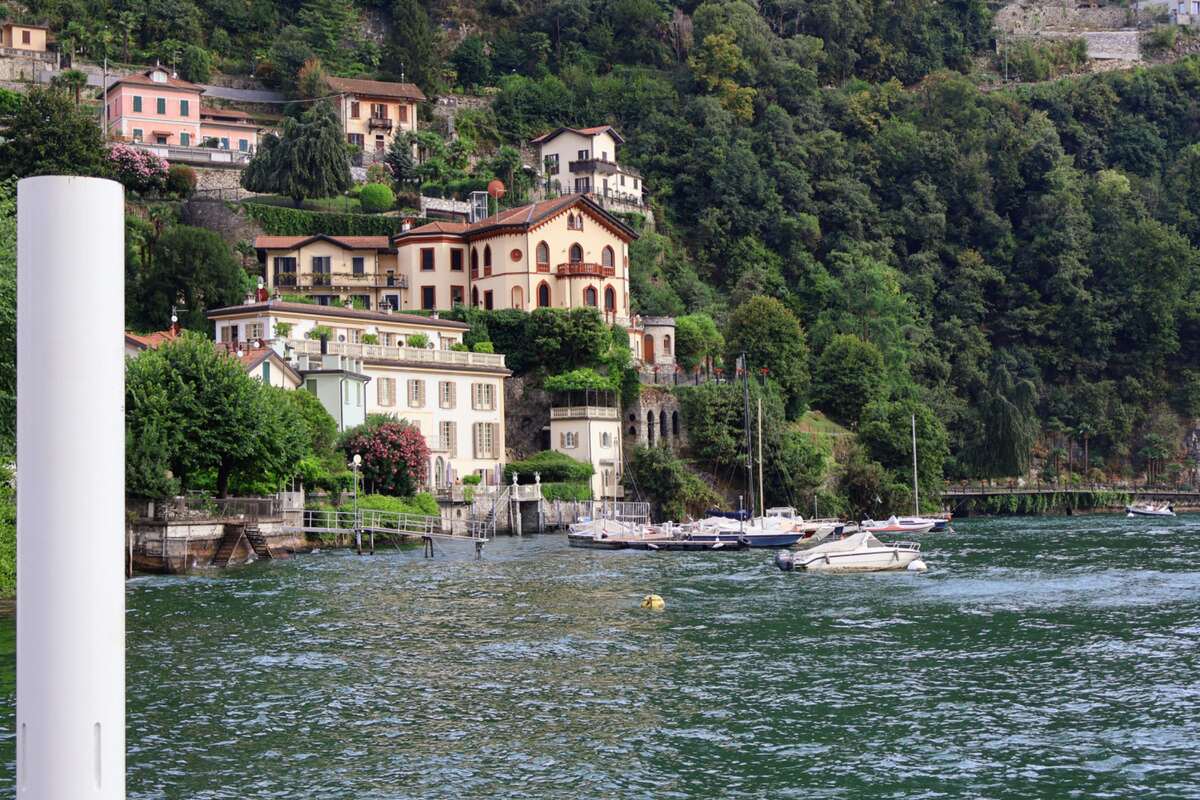
Novotel London Greenwich benefits from a strong location. Greenwich is a recognisable destination, with leisure appeal, rail connectivity and proximity to a major business district such as Canary Wharf.
But in hotel investment, location cannot be assessed superficially. Saying “London” is not enough. Investors need to understand which part of London, which demand segments the hotel serves, how accessible it is, what competitive set surrounds it and what pricing power the market can support.
Micro-location directly affects four critical variables:
-
demand resilience;
-
ability to generate ADR and RevPAR;
-
repositioning potential;
-
liquidity on exit.
A well-located hotel is not automatically a good investment. But it creates more strategic options. It can be held for income, renovated, repositioned, sold as a standalone asset, refinanced or included within a wider platform.
In hotel investment, value does not come from location alone. It comes from what that location allows the investor to do.
The brand helps, but value sits in the numbers
The Novotel brand provides international recognition, operating standards and clear positioning within the midscale segment. But the brand alone does not define investment value.
A branded hotel may deliver solid performance. It may also have compressed margins, high operating costs, investment requirements, inflexible contracts or excessive dependence on intermediated distribution channels.
The right question is not: “What flag does the hotel carry?”
The right question is: how much sustainable income can this asset generate, with what level of risk, with what future investment requirements and with what exit strategy?
Answering that question requires data, not impressions.
A serious hotel valuation must analyse:
-
occupancy;
-
ADR;
-
RevPAR;
-
GOP;
-
EBITDA;
-
labour costs;
-
energy costs;
-
management or lease agreements;
-
required capex;
-
deferred maintenance;
-
OTA dependence;
-
demand mix;
-
direct commercial strength;
-
repositioning potential;
-
future asset liquidity.
A hotel has real value when its numbers are readable. It becomes investable when those numbers are defensible.
Price and value are not the same thing
The Ares-EQ transaction is a useful reminder of a principle that is often underestimated: in hotels, price and value are not always the same thing.
Price is what is paid in a transaction. Value is the asset’s ability to generate income, attract capital, withstand market cycles and offer strategic optionality.
A hotel may look expensive and still make strong financial sense. It may appear cheap and hide significant risks. It may have an excellent location but a weak contract. It may have strong revenues but fragile margins. It may be full of guests and still create limited value for the owner.
This is where hotels differ from traditional real estate. In a hotel, value is not only in the walls. It sits in the interaction between the property, the operation, the demand base, the contract and the capital structure.
Valuing a hotel solely on a price-per-room or price-per-square-metre basis means looking at only a small part of the investment case.
The lesson for the Italian market
Although Novotel London Greenwich is a London transaction, the message is highly relevant to Italy.
Many Italian hotels are still presented to investors in an incomplete way: number of rooms, category, location, revenue and asking price. These are useful data points, but they are not enough.
A fund, family office, international investor or specialist operator wants to understand much more:
-
what demand the hotel currently serves;
-
what demand can be developed;
-
what management structure is in place;
-
what contractual framework governs the asset;
-
what normalised margins look like;
-
which costs can be reduced;
-
what capex is required;
-
what return can be generated;
-
what operational risk exists;
-
what exit strategy is credible.
A hotel may have significant potential. But if it is not presented with structured data, financial language and a clear industrial rationale, it risks appearing opaque.
And in capital markets, opacity is discounted.
The hotel guides published on RobertoNecci.it explore these themes in depth: hotel valuations, investments, management agreements, business leases, franchising, governance, management control, asset management and value creation strategies.
The portfolio as a value creation tool
The acquisition of the Landsec hotel portfolio by Ares and EQ also highlights another important point: the growing relevance of hotel platforms.
Buying a portfolio gives investors scale, diversification and stronger negotiating power. But scale alone does not create value. It has to be actively managed.
After acquisition, each asset must be classified:
-
core hotels to retain;
-
value-add hotels to reposition;
-
hotels requiring refurbishment;
-
hotels suitable for refinancing;
-
hotels to sell.
In this logic, the disposal of a single hotel can strengthen the portfolio as a whole. It can release capital, reduce complexity, improve returns or fund investment in more strategic assets.
Novotel London Greenwich, therefore, is not simply a hotel that has been sold. It is an example of active hotel capital management.
For further insight into the perspective of investors, funds and specialist operators, the InvestHotel blog covers hotel investments, funds, distressed credit, acquisitions, disposals, due diligence and value-enhancement transactions.
From hotel management to capital management
The language of hospitality investment is changing.
For years, hotels were discussed mainly in operational terms: rooms, occupancy, rates, staff, breakfast, reviews and OTAs. All of these elements remain essential. But they are no longer sufficient.
The market now also speaks the language of capital, debt, contracts, capex, portfolios, returns, governance, risk and exit strategy.
The hotel has become the meeting point between tourism, real estate finance and operating management.
This does not reduce the importance of the hotel operator. It increases it. A hotel asset creates value only when the operation produces measurable, sustainable results that capital can understand.
The future of hospitality real estate will increasingly be led by those who can connect three dimensions:
-
quality of the property;
-
quality of the operation;
-
quality of the financial structure.
When these three dimensions are aligned, a hotel stops being merely an accommodation business and becomes a strategic asset.
Five lessons from the sale of Novotel London Greenwich
The sale of Novotel London Greenwich offers five useful lessons for hotel owners, investors and operators.
First: hotels are dynamic assets, not static properties.
Second: value depends on sustainable income, not only on location, category or brand.
Third: hotel portfolios must be actively managed, including through selective disposals.
Fourth: a hotel becomes more attractive when it is readable, documented and financially explainable.
Fifth: the market rewards assets that can be presented with solid data before they are sold through a commercial narrative.
This is the most important message for the Italian market.
Many hotels have latent value. But not all of them are ready to be assessed by professional capital. They often lack business plans, normalised data, contract analysis, benchmarking, capex scenarios, operating assumptions and exit strategies.
An unprepared asset is not necessarily rejected. But it is treated with greater caution. And often valued less.
Conclusion: value is built before the sale
The sale of Novotel London Greenwich shows that in the hotel sector, value is not created at the moment of disposal. It is created much earlier.
It is created when the asset is acquired with a clear strategy. When the data are organised. When the operation is measured. When contracts are understood. When capex is planned. When the future exit is considered from the point of entry.
For anyone who owns a hotel and is considering a sale, repositioning, refinancing or approach to qualified investors, one question matters most:
is my hotel merely a property with rooms, or is it an investment opportunity that capital can understand?
The difference between these two answers can affect the price, the timing of the transaction, the number of interested investors and the quality of the offers received.
Hotel Management Group supports owners, investors, funds, family offices and operators in the analysis, due diligence, value creation, development and structuring of hotel investment transactions.
If you are considering the sale of a hotel, the acquisition of an asset, the restructuring of a property or the development of a hotel investment project, you can explore the group’s advisory, governance and development activities at HotelManagementGroup.it.
A hotel creates value when it is no longer presented merely as an accommodation business, but designed and managed as a strategic asset.
Roberto Necci - r.necci@robertonecci.it